

 Language
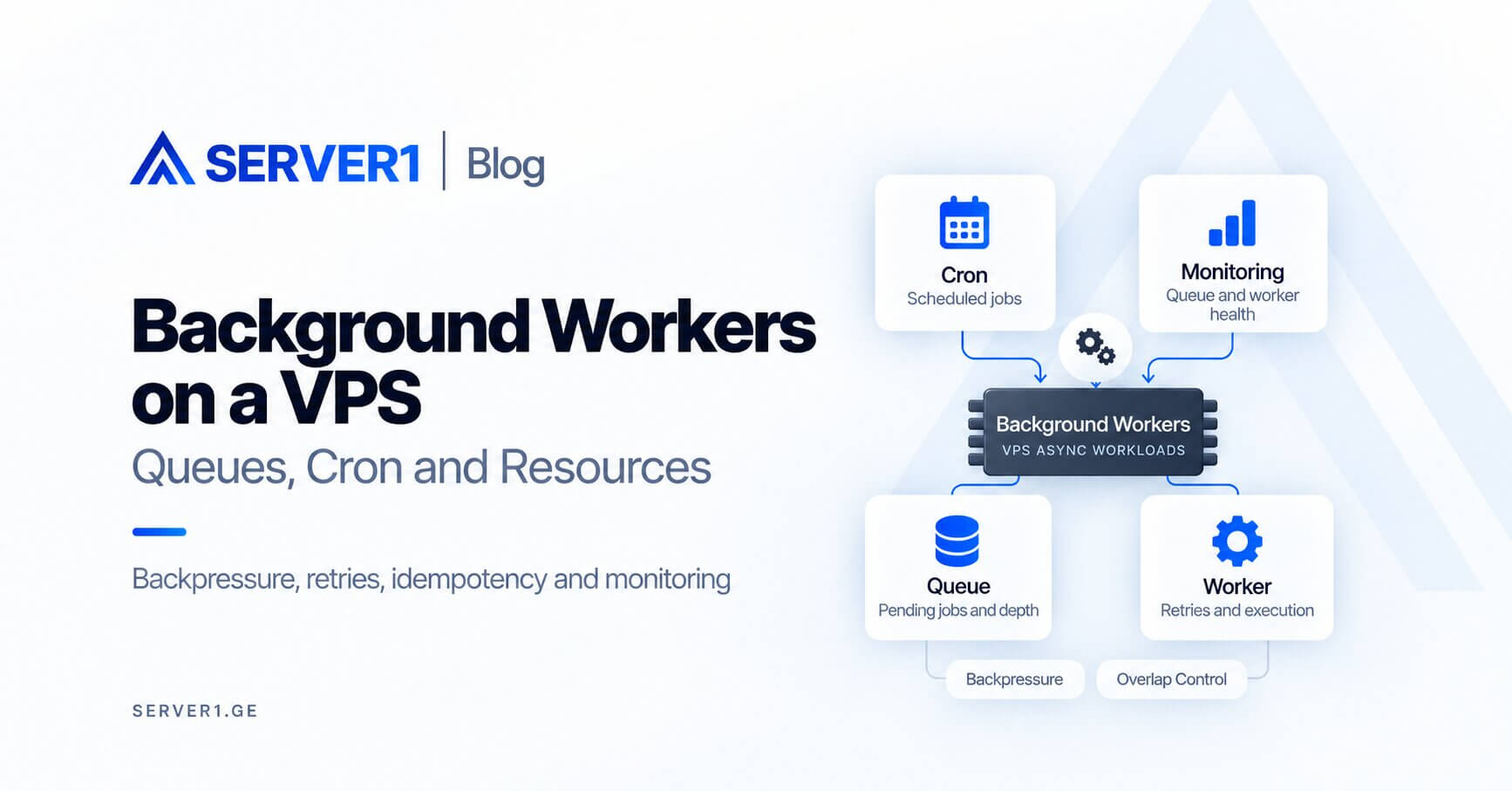
Background Workers on a VPS: Queues, Cron and Resources
Operate queue workers and cron jobs safely with backpressure, retries, idempotency, overlap control, monitoring and clear scaling criteria.
Clear, practical articles about hosting, VPS, servers, security, performance and running websites.
Operate queue workers and cron jobs safely with backpressure, retries, idempotency, overlap control, monitoring and clear scaling criteria.
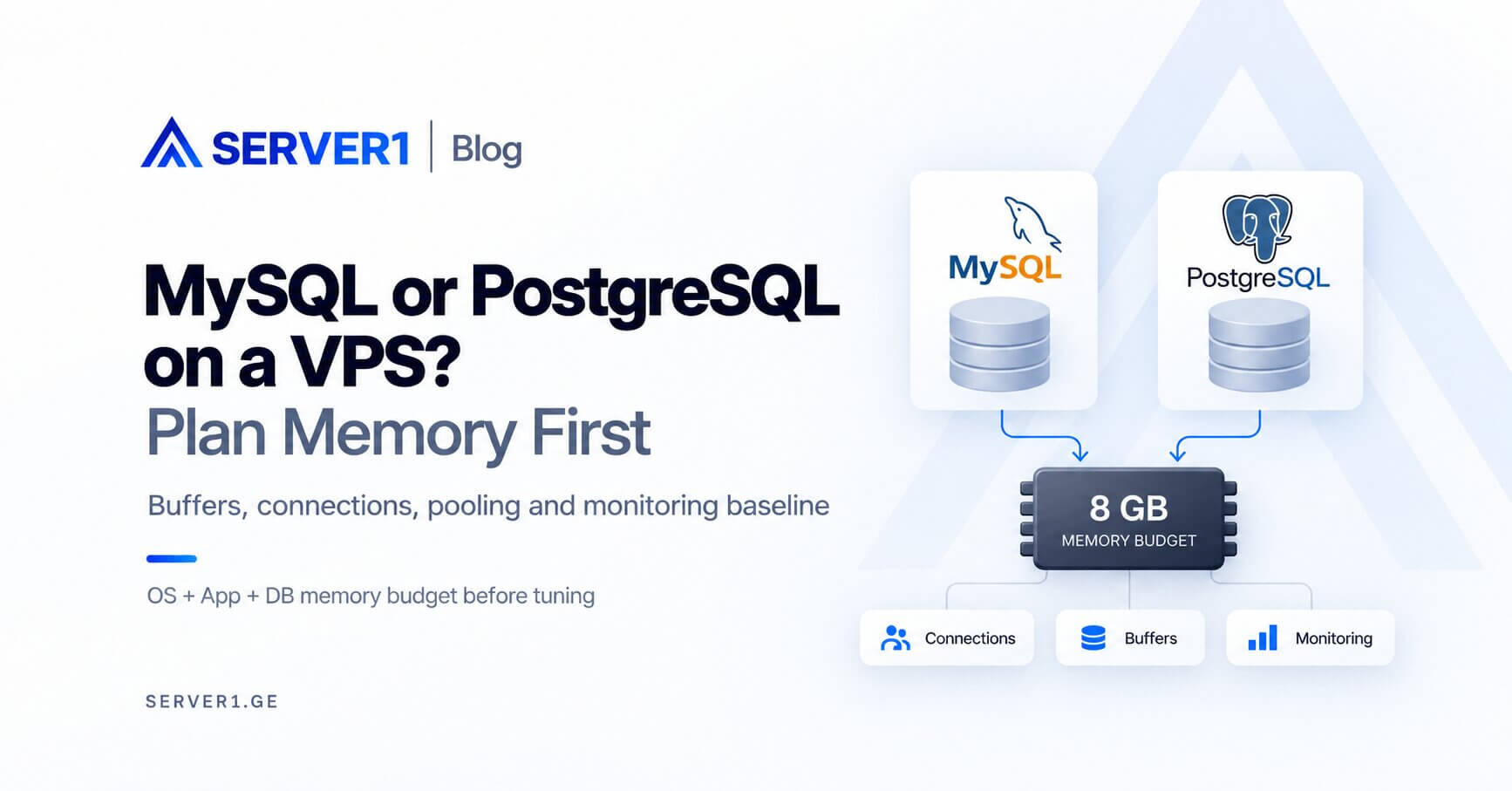
Plan MySQL or PostgreSQL memory on a VPS using buffers, connections, pooling, workload characteristics and a monitoring baseline before tuning.
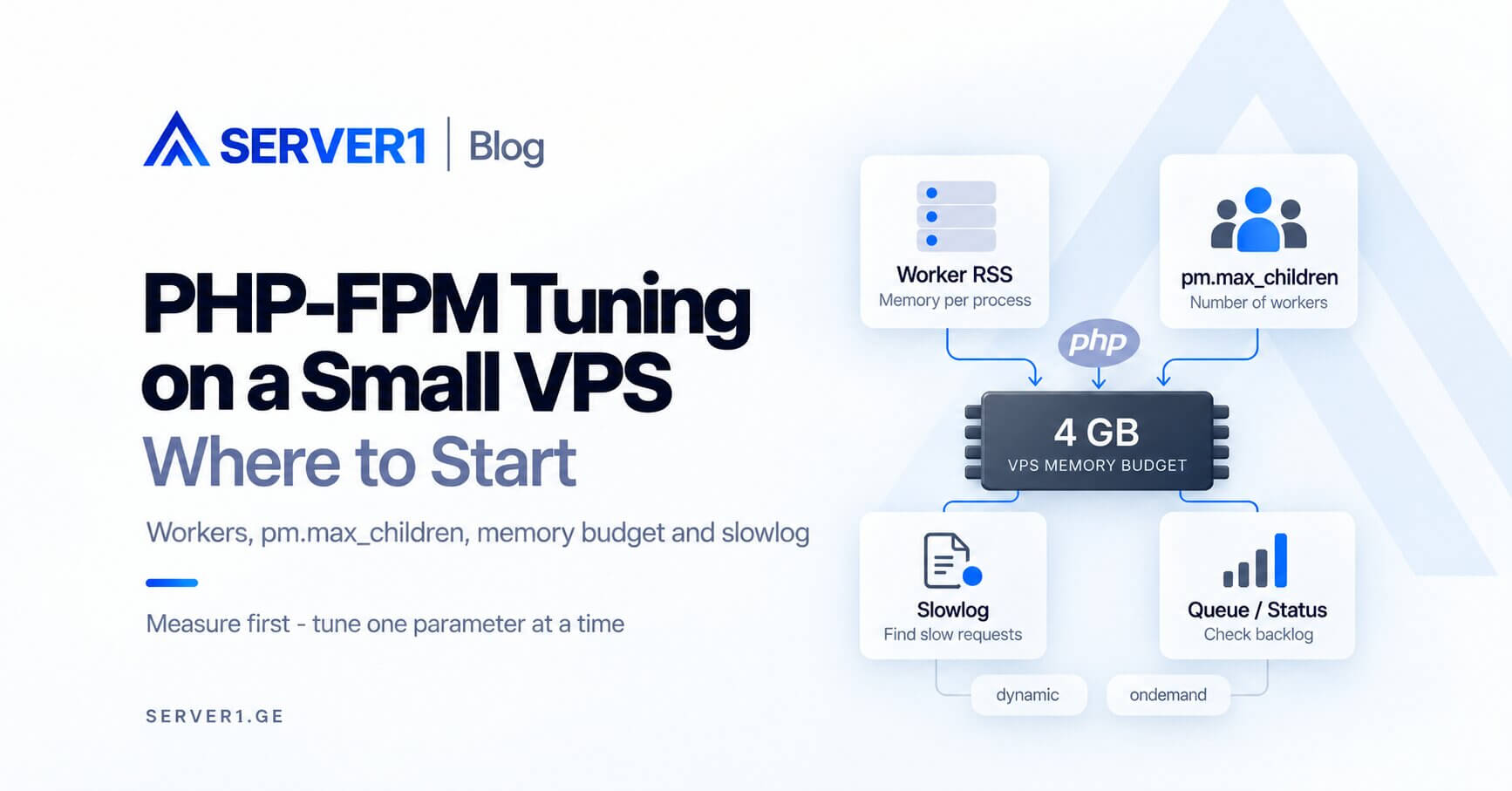
Tune PHP-FPM from measurements: worker memory, pm.max_children, dynamic vs ondemand, queue signals, slowlog and realistic VPS headroom.
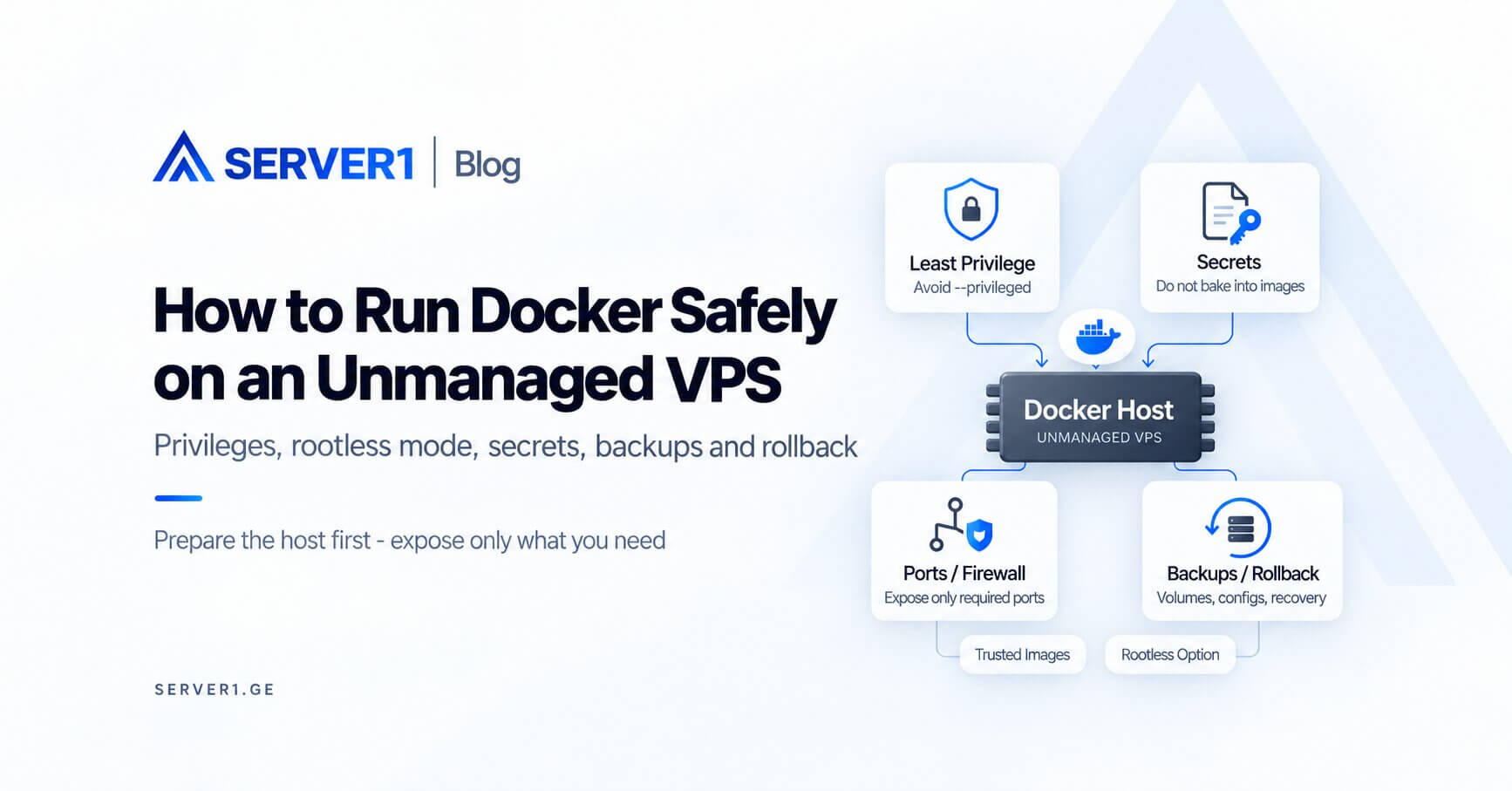
Build a safer Docker host on an unmanaged VPS with deliberate privileges, rootless options, secrets, backups, network exposure and rollback.
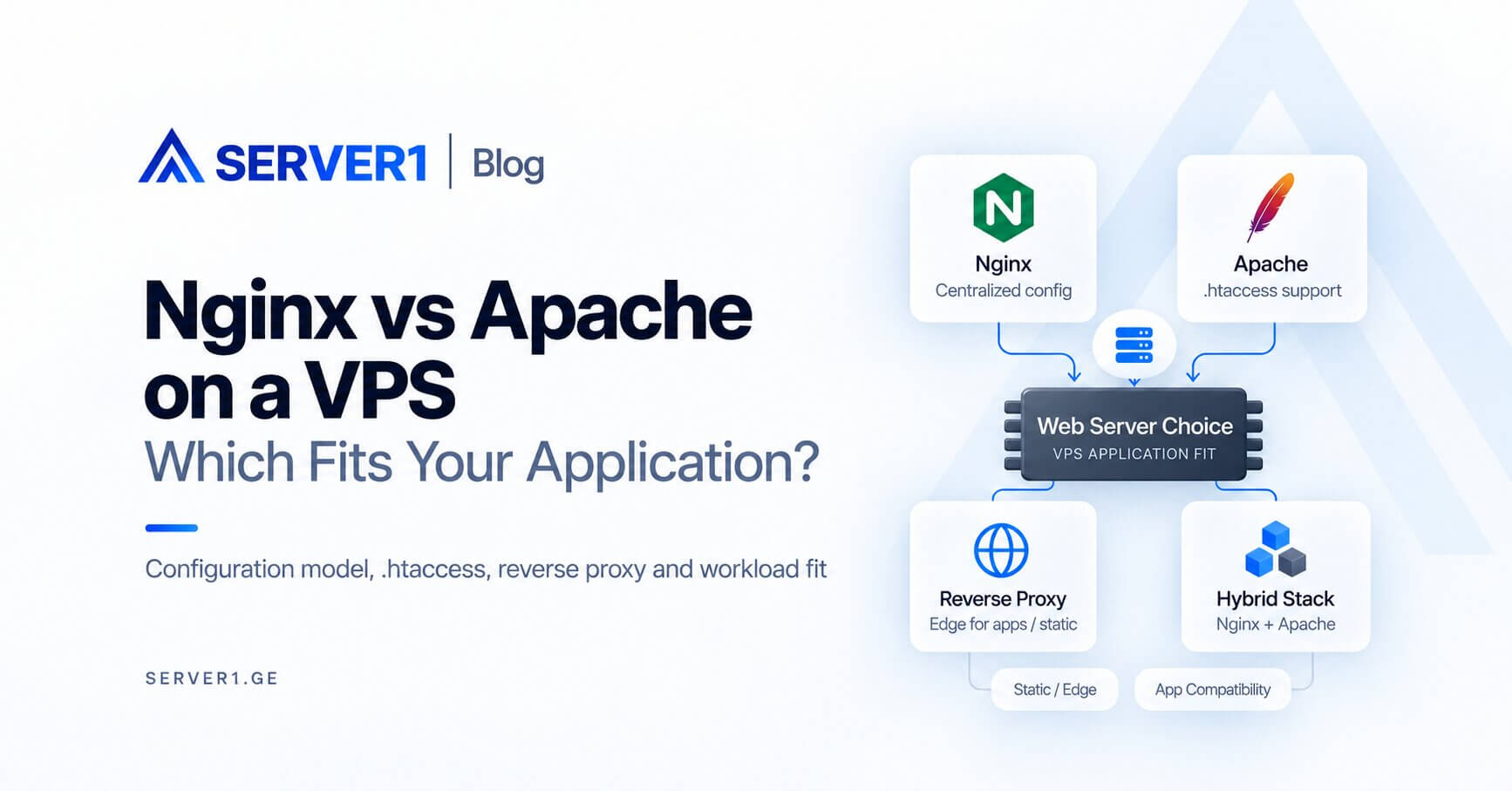
Compare Nginx and Apache by workload, configuration model, benchmarks and migration cost instead of relying on generic speed claims.
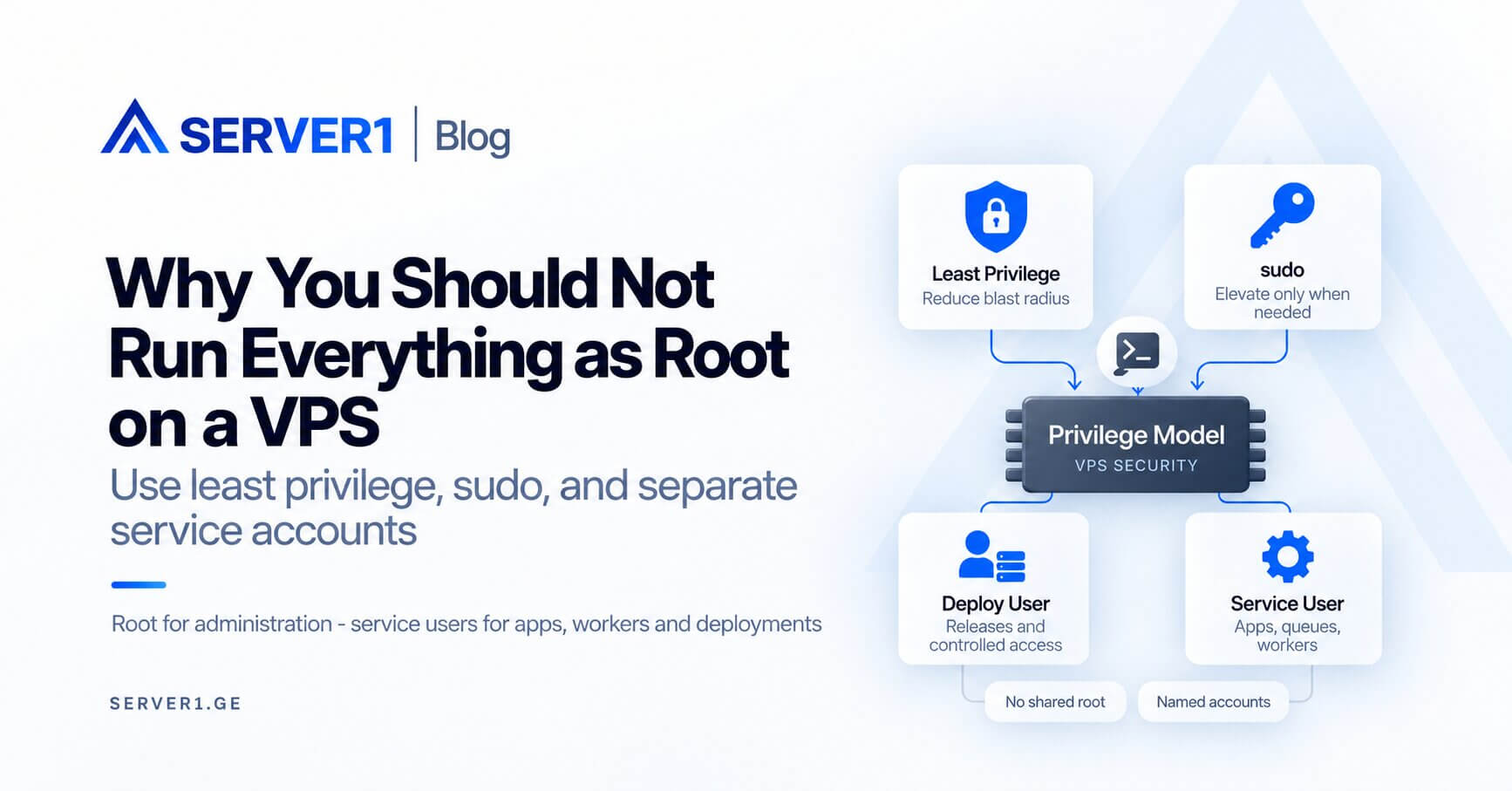
Learn why running every process as root increases VPS risk and how to migrate to a safer least-privilege model without breaking production.
A practical managed vs unmanaged VPS comparison focused on ownership, updates, security, monitoring, support and the true cost of operations.
A workload-first guide to choosing Linux or Windows VPS based on software requirements, licensing, administration and future maintenance.
How to host multiple websites on one VPS without turning one compromised site into an automatic compromise of every other website.
Why there is no fixed website count for a 4 GB VPS and how to estimate capacity using memory, PHP, database workload, caching and traffic.
What root access means on a VPS, the mistakes that create the most risk, and a practical policy for safer administrative access.
Eight practical questions for evaluating managed VPS backups: frequency, retention, off-site copies, RPO/RTO, database consistency and restore testing.