

 Language
Linux VPS Monitoring: How to Read CPU, RAM, Disk and Load
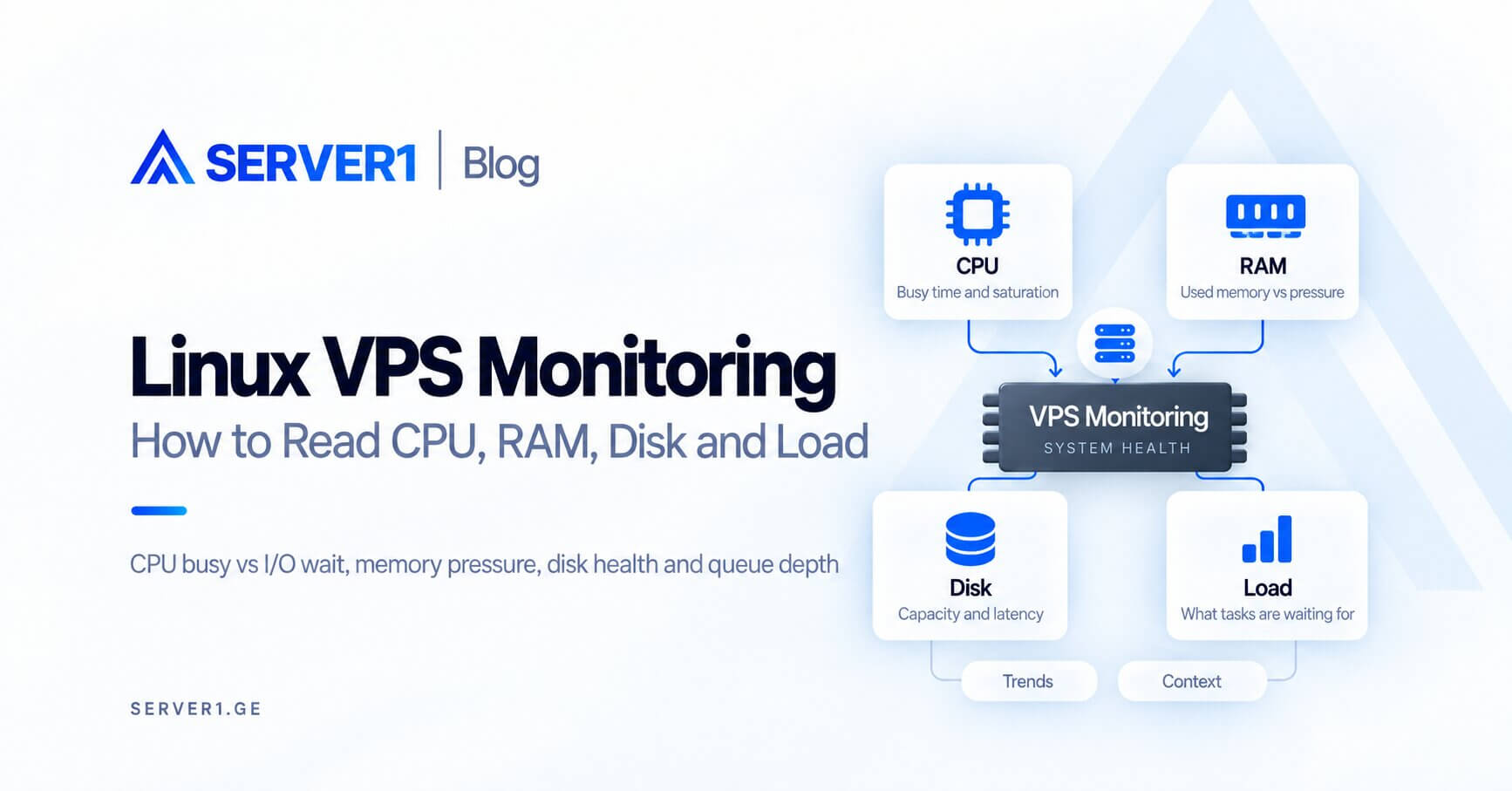
The goal of Linux VPS monitoring is not to collect the largest possible dashboard. You need to answer four questions: is CPU actually busy or are tasks waiting for I
Practical material on choosing, managing and optimizing VPS and cloud infrastructure for real workloads.
The goal of Linux VPS monitoring is not to collect the largest possible dashboard. You need to answer four questions: is CPU actually busy or are tasks waiting for I
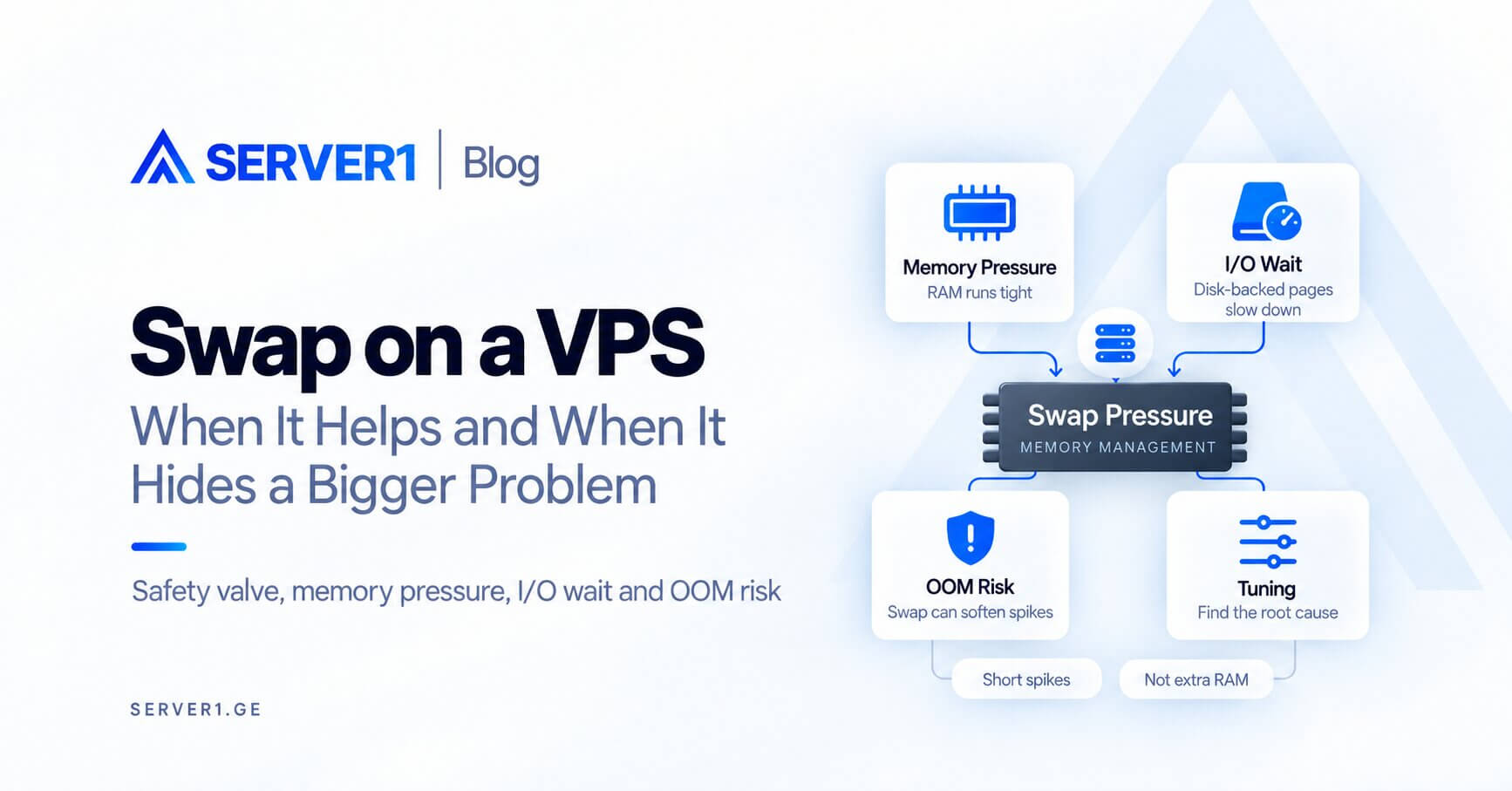
Swap is a useful safety valve on a VPS, but it is not a replacement for RAM. Small or occasional swap usage can be perfectly normal; constant swap-in/swap-out, high
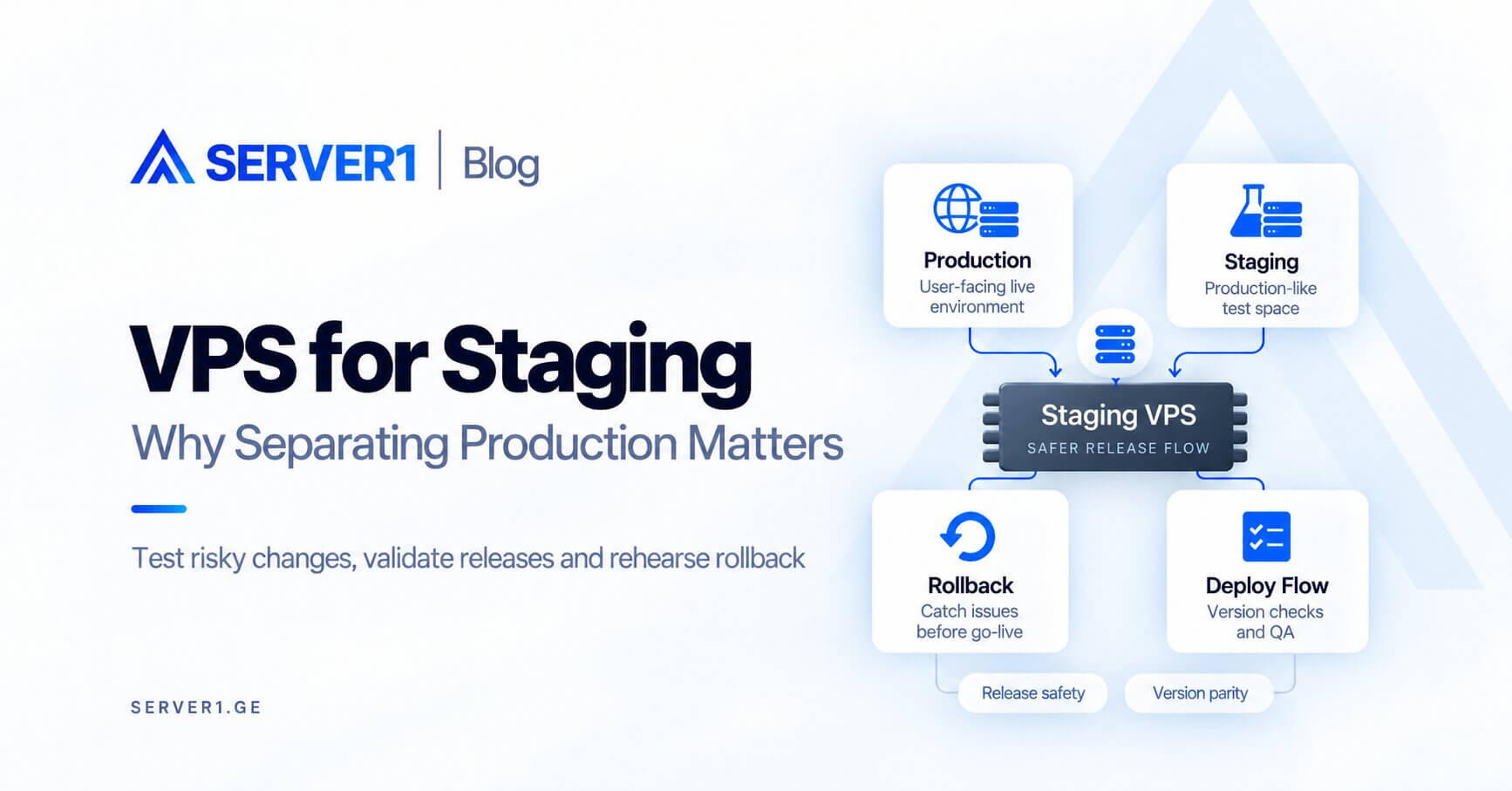
At 17:40 on Friday, a developer applies a runtime update directly in production. Five minutes later the site returns 500 errors, queue workers still run an older cod
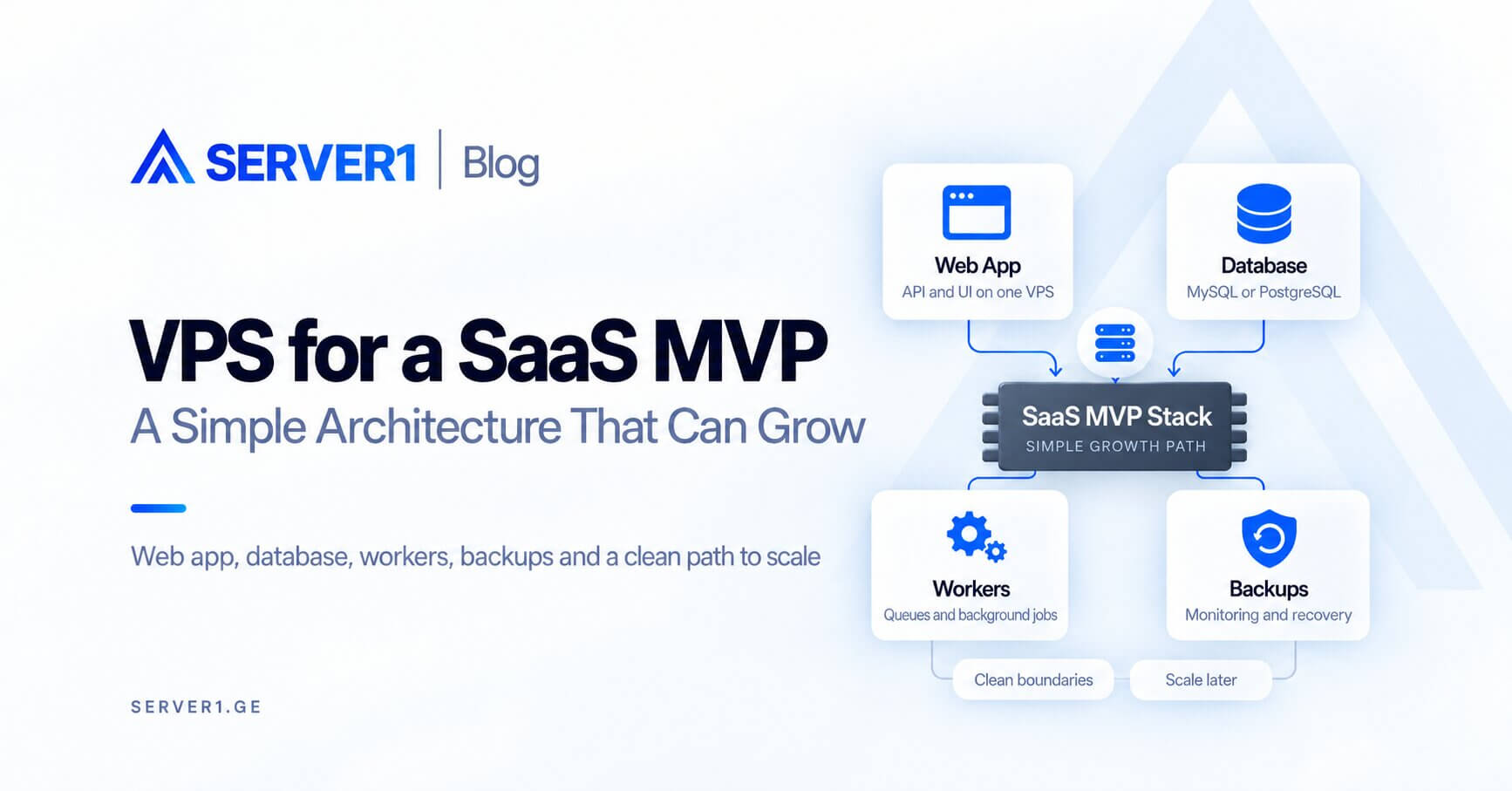
One VPS is often the right starting architecture for a SaaS MVP: the web app, database and background workers can live on one VM when backups, monitoring and boundar
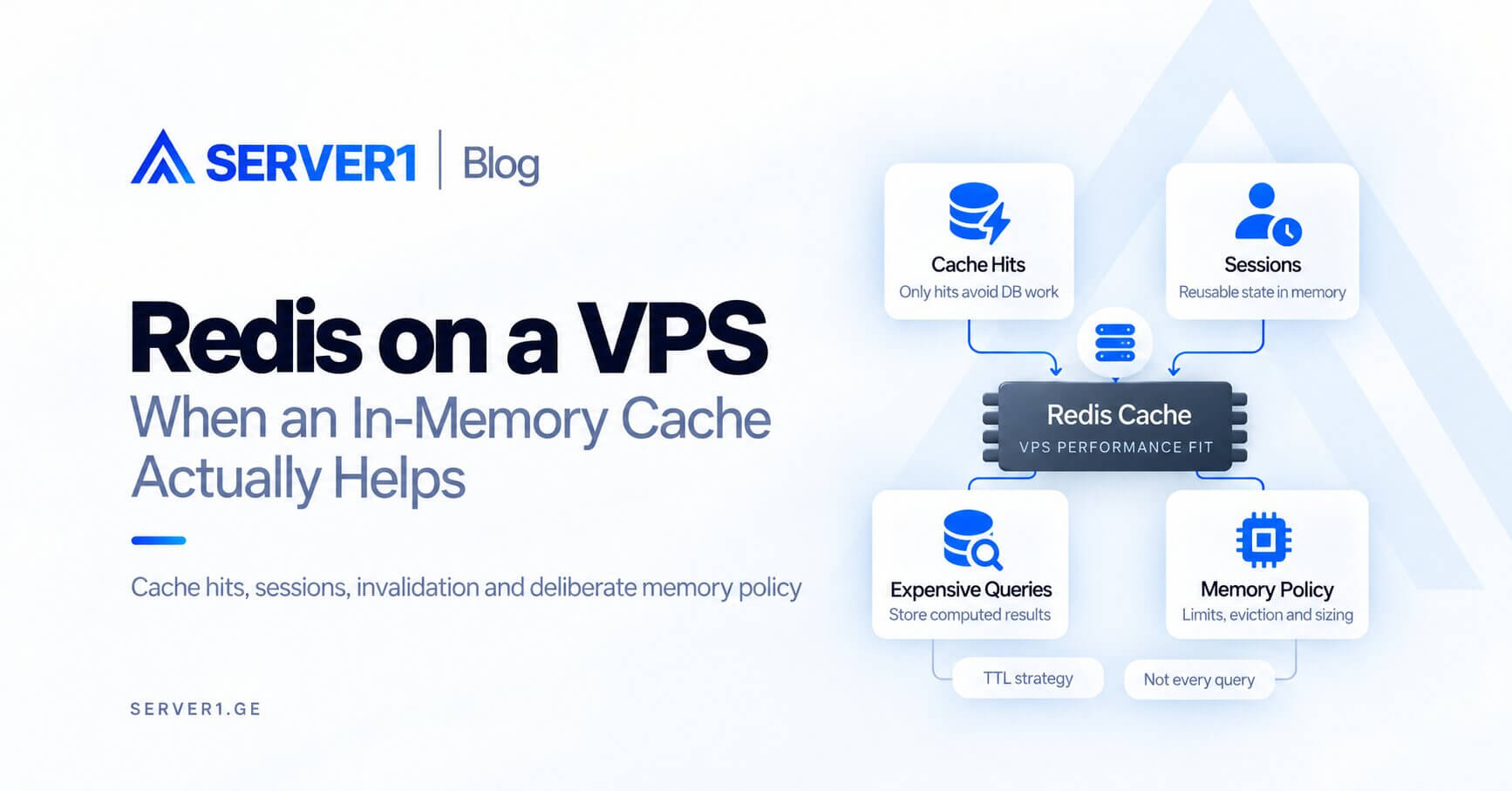
Redis improves an application when keeping frequently reused data, sessions or computed results in memory actually avoids expensive database or application work. Ins
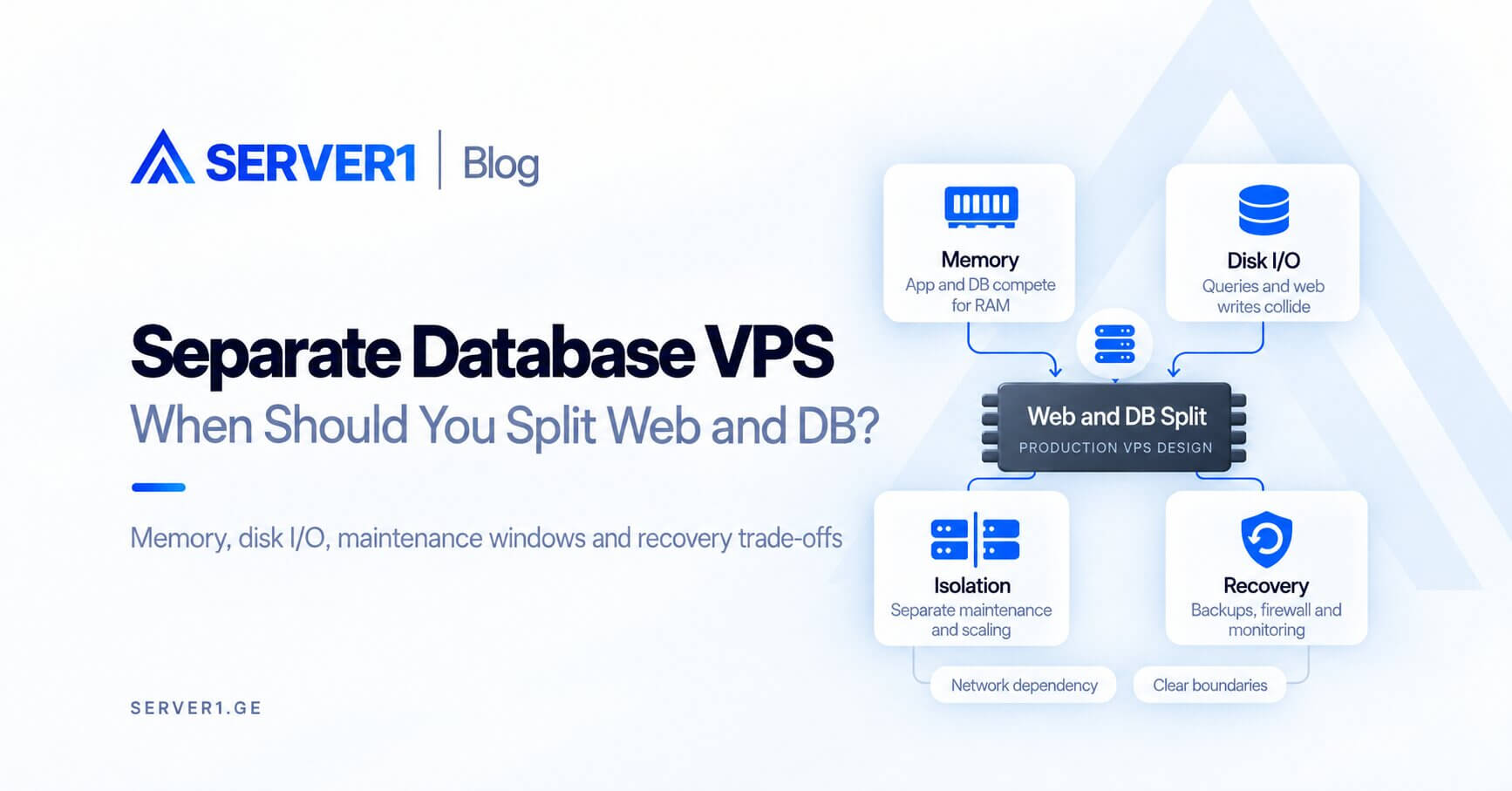
Moving a production database to its own VPS makes sense when the web/application and database workloads are competing for memory, disk I/O or maintenance windows. Tw
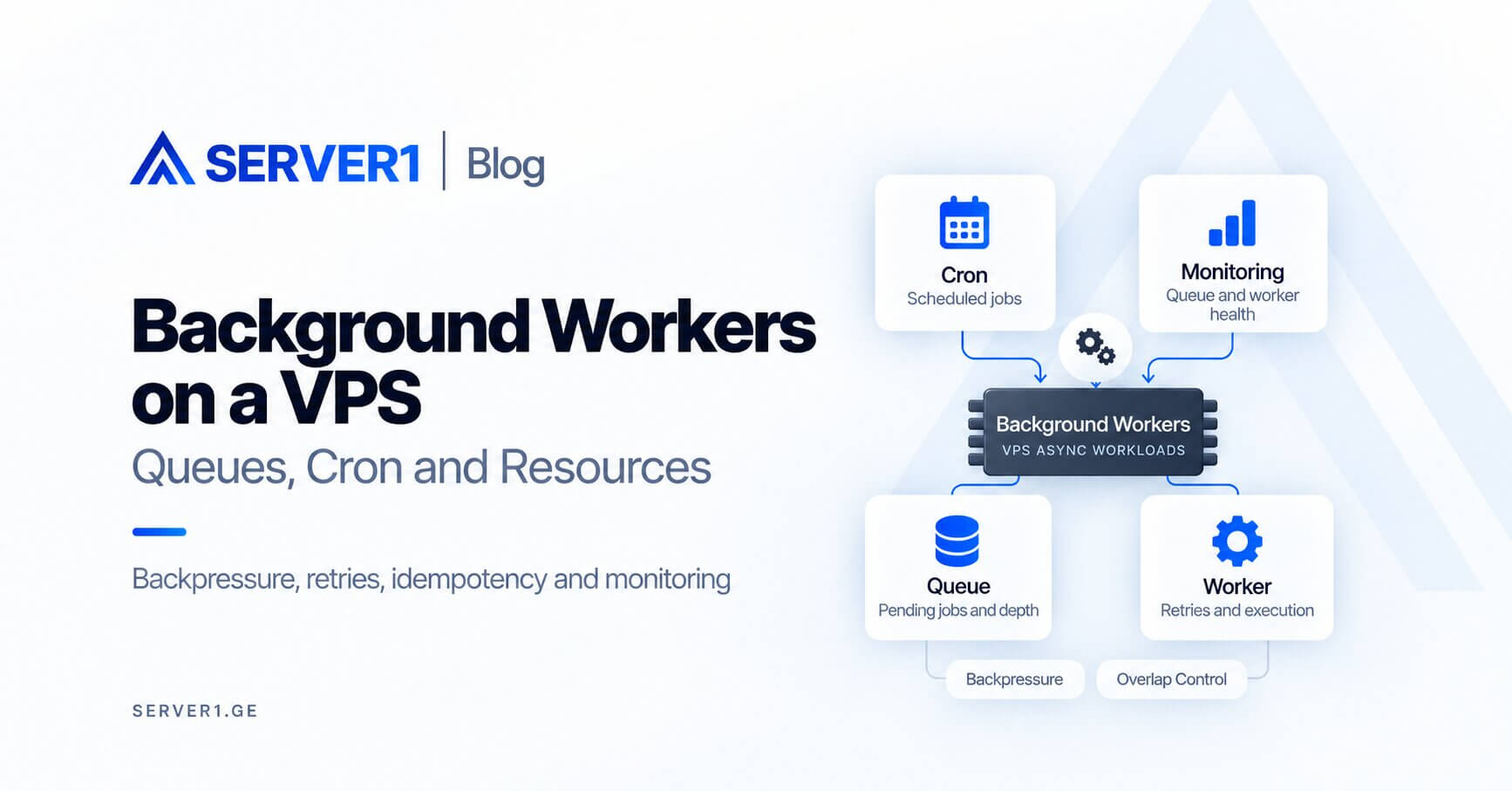
Operate queue workers and cron jobs safely with backpressure, retries, idempotency, overlap control, monitoring and clear scaling criteria.
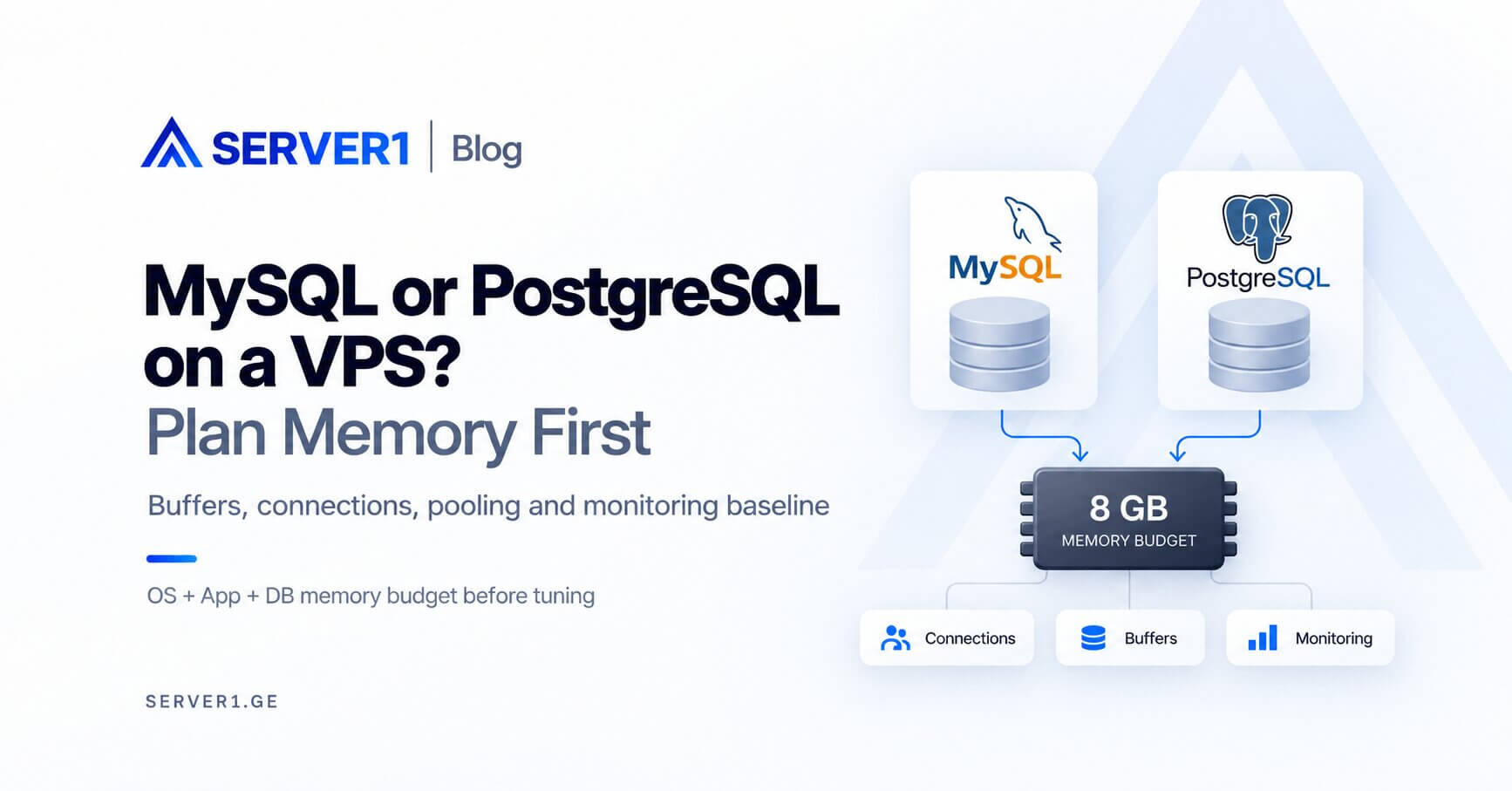
Plan MySQL or PostgreSQL memory on a VPS using buffers, connections, pooling, workload characteristics and a monitoring baseline before tuning.
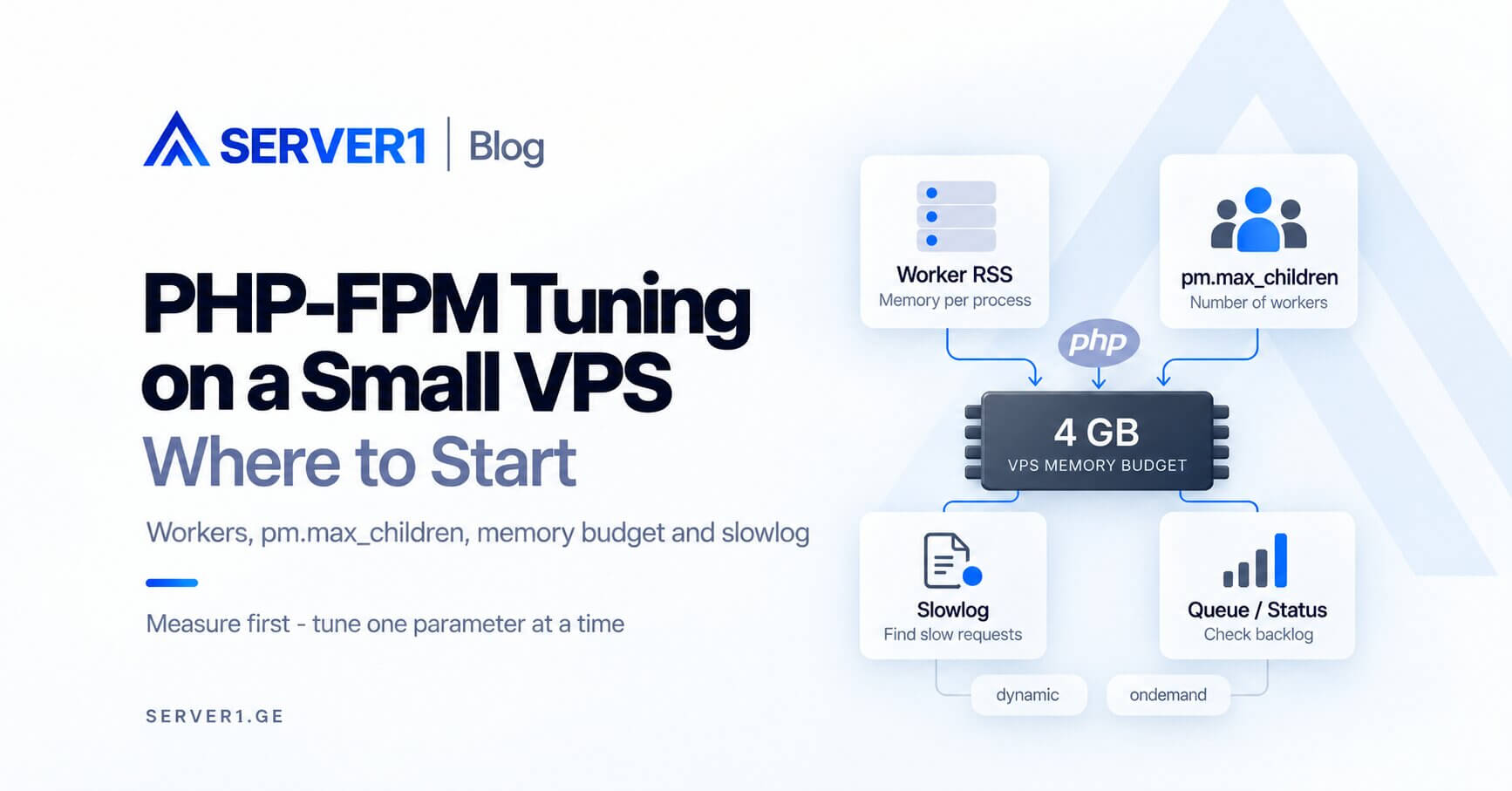
Tune PHP-FPM from measurements: worker memory, pm.max_children, dynamic vs ondemand, queue signals, slowlog and realistic VPS headroom.
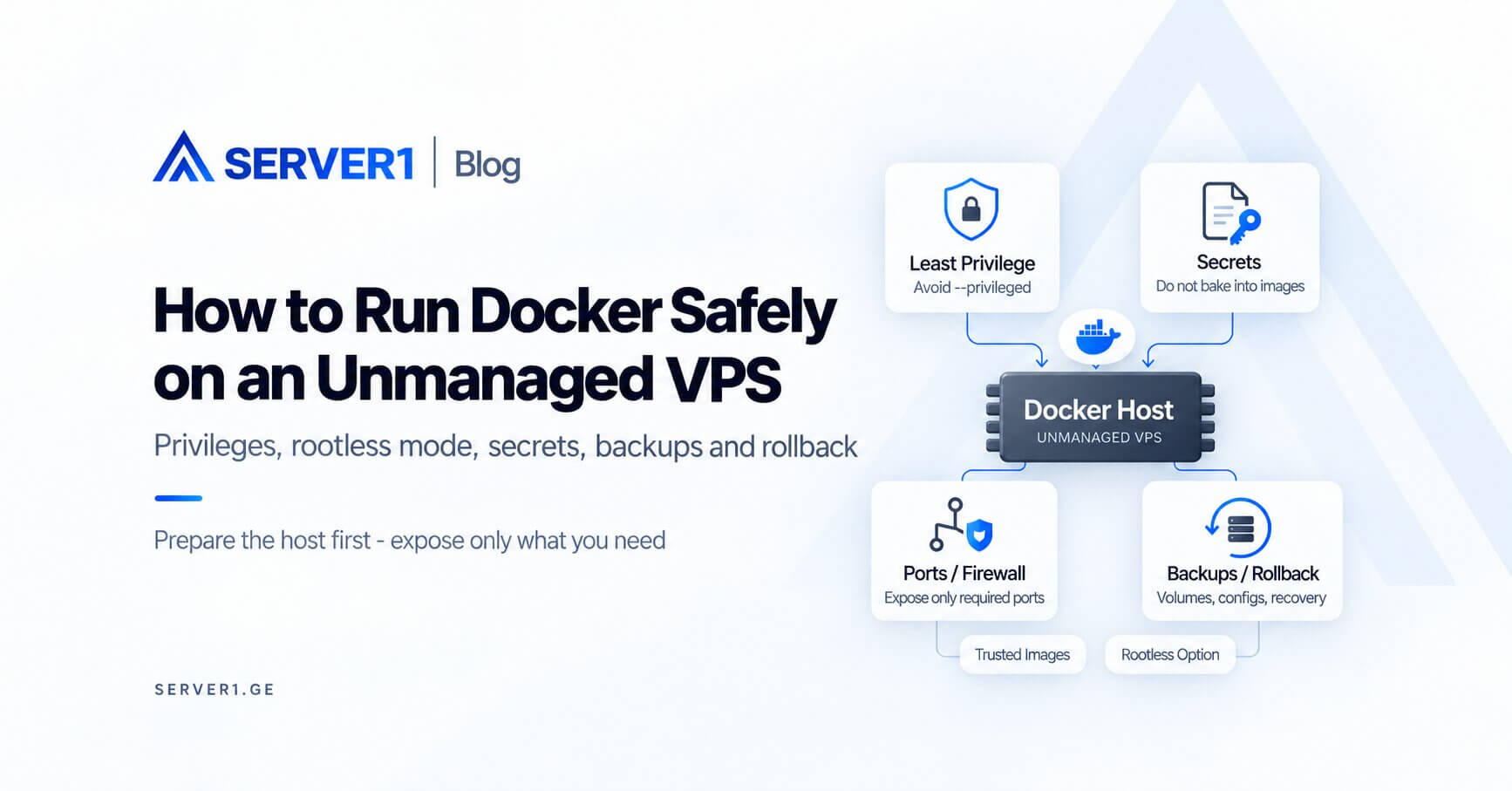
Build a safer Docker host on an unmanaged VPS with deliberate privileges, rootless options, secrets, backups, network exposure and rollback.
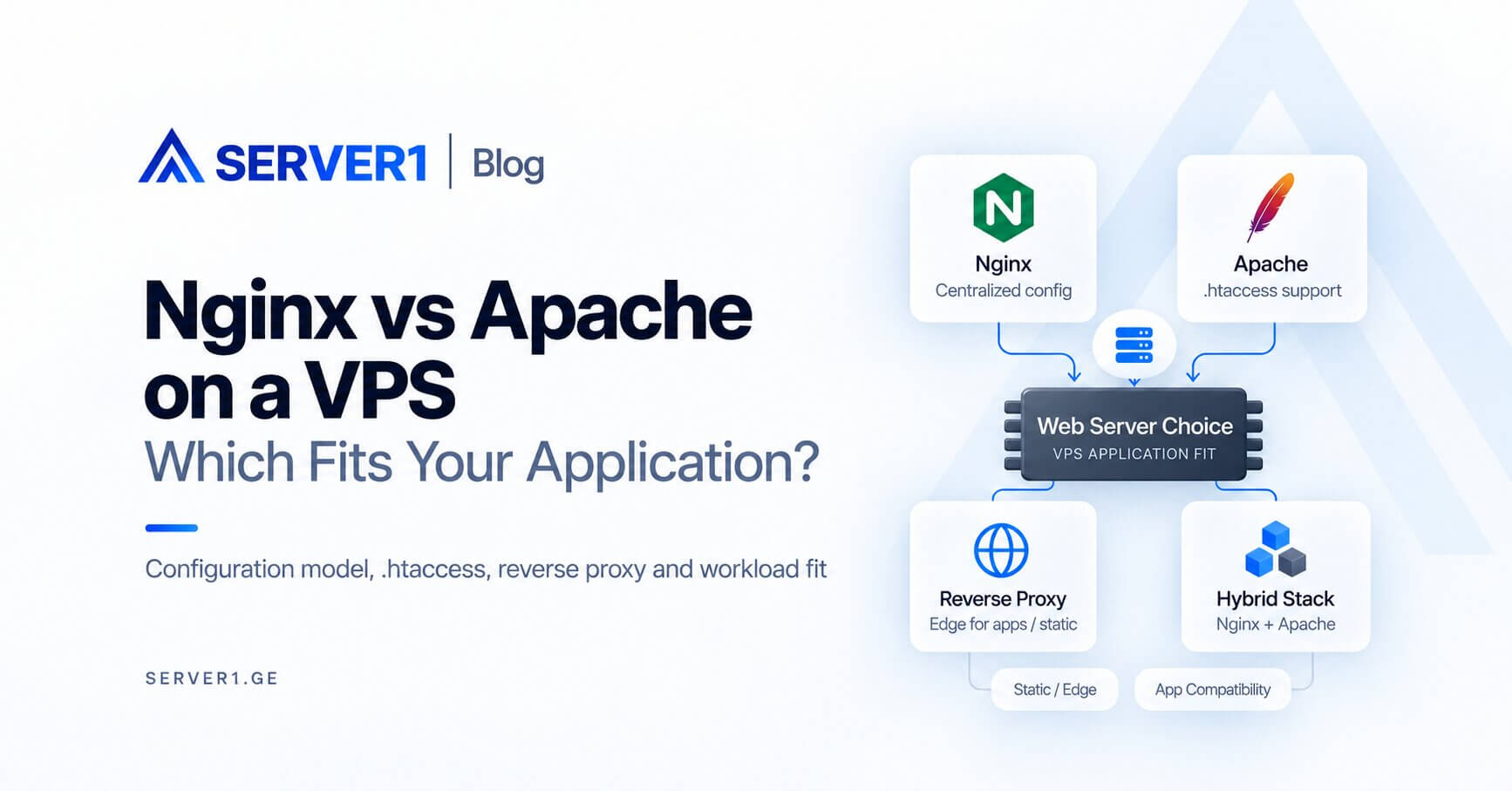
Compare Nginx and Apache by workload, configuration model, benchmarks and migration cost instead of relying on generic speed claims.
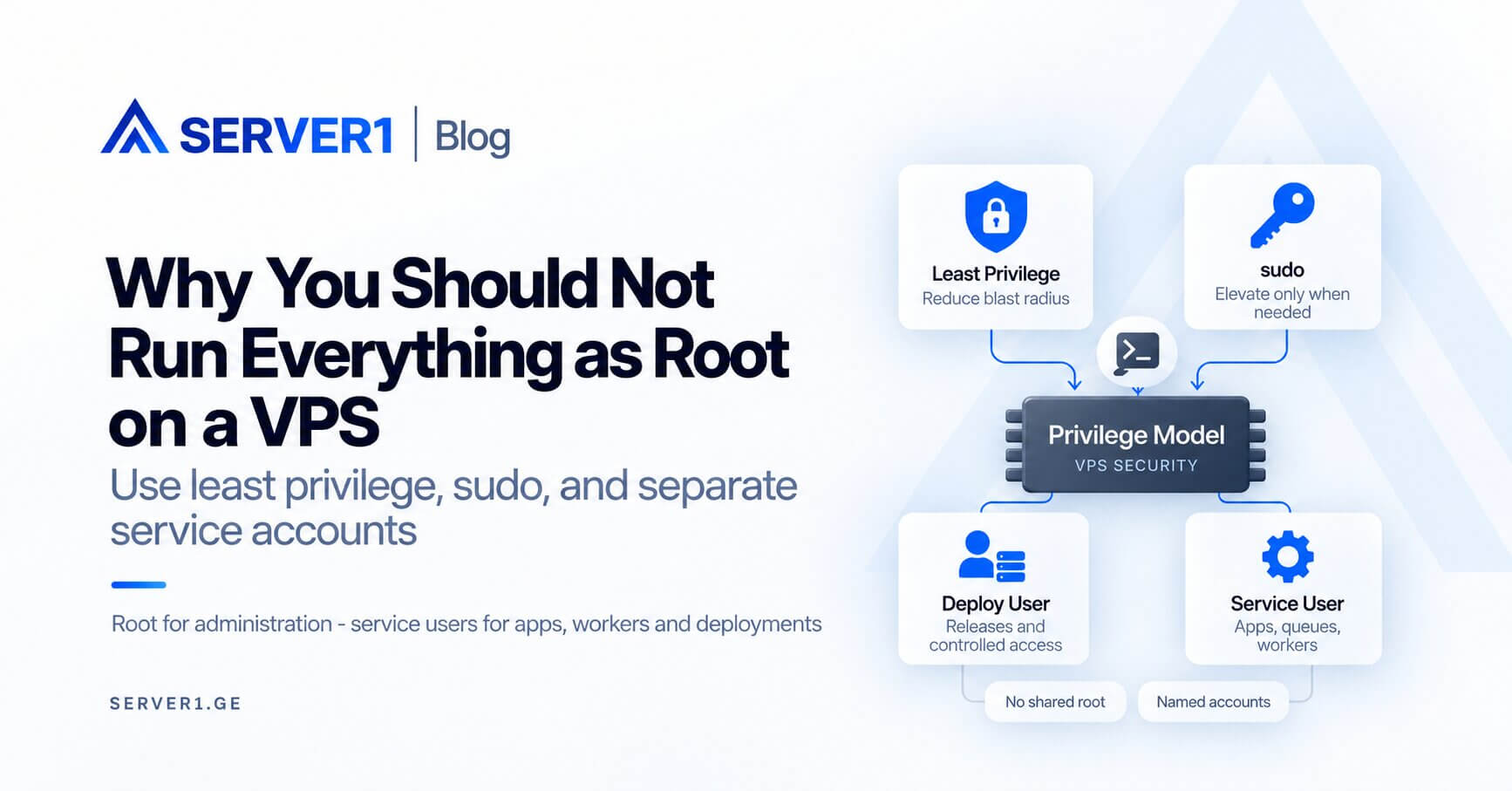
Learn why running every process as root increases VPS risk and how to migrate to a safer least-privilege model without breaking production.