


 Language
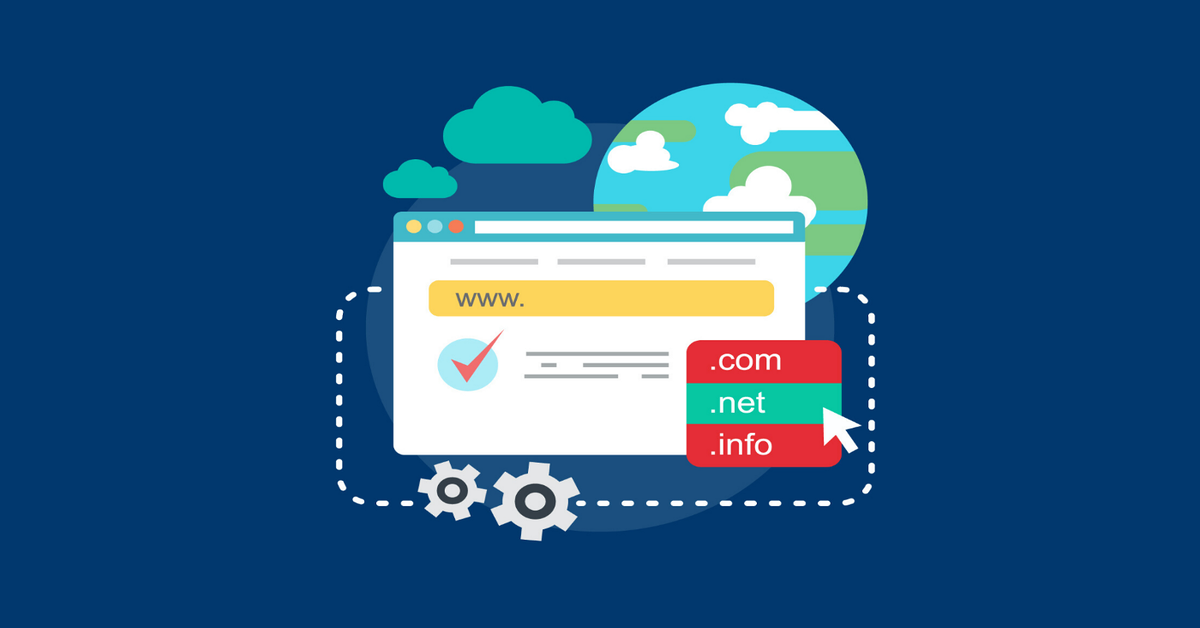
First, let us briefly explain what a domain name is and why it matters.
For example, “google.com” is a domain name. It acts as a human-readable address through which users reach a website.
In “google.com”, .com is the top-level domain (TLD), while “google” is the second-level domain. The choice of both can matter for branding and recognition.
Most users are familiar with extensions such as .com and country-code TLDs such as .ge. Other extensions serve different purposes or communities, and some-such as .gov-are restricted according to registry rules.

Countries generally have their own country-code top-level domains, while organizations may also choose global extensions depending on availability, market and branding needs.
So why might an organization own more than one domain?
#1 Branding and brand protection
When a brand changes its name, the old domain can be redirected to the new one so that users following old links or typing the former address can still reach the correct website.
Organizations may also register important variations of their brand name to reduce confusion or prevent unrelated parties from using a highly similar address.
#2 Helping returning users
A person visiting for the first time may not remember the exact spelling or extension later. Registering a small number of obvious variants can make those mistakes easier to recover from.

Common misspellings can also be redirected to the canonical domain. This is optional, but it can be useful for recognizable brands where typing errors are predictable.
#3 SEO and migrations
Multiple domains do not automatically improve SEO. Their main search-related value is in legitimate migrations, brand protection and consolidation. When an old domain has relevant existing links or traffic, carefully implemented permanent redirects can pass users and search engines to the new canonical URLs.

#4 Industry and market considerations
A relevant TLD can sometimes make a domain easier for users to understand or remember, but simply placing a keyword in a domain or extension does not guarantee higher search rankings.
Choose additional domains when they solve a real branding, market, localization or migration problem, and redirect duplicates consistently to the preferred canonical website rather than publishing the same content across several domains.